El Nido is one of the most beautiful places in Southeast Asia — and one of the least prepared-for. The same things that make it magical (remote location, undeveloped beaches, small-town feel) also mean it operates differently from a standard tourist destination. This guide covers everything a first-time visitor should know before they arrive.
The Most Important Thing to Know: Bring Cash
El Nido has one ATM in town and it is notoriously unreliable. It frequently runs out of cash during peak season and has a withdrawal limit of around ₱10,000 per transaction. Do not count on it.
How much cash to bring: Budget travelers should bring ₱3,000 to ₱5,000 per day. Mid-range travelers should bring ₱5,000 to ₱8,000 per day. This covers island hopping tours (₱1,200–1,400), meals (₱400–800 per day), environmental fees (₱200 one-time), drinks, and tips for your boat crew.
Where to withdraw: Puerto Princesa has reliable ATMs at the airport and throughout the city. Withdraw everything you need before boarding your van to El Nido.
Getting to El Nido
There are two main ways to reach El Nido:
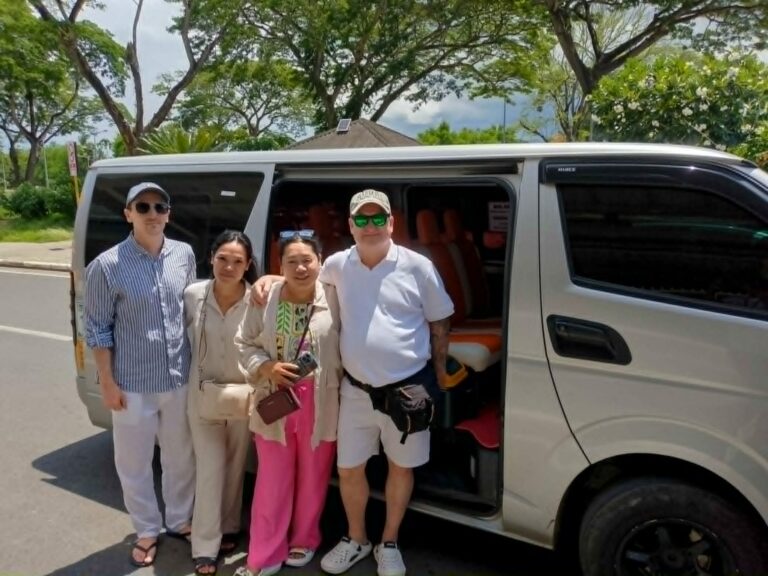
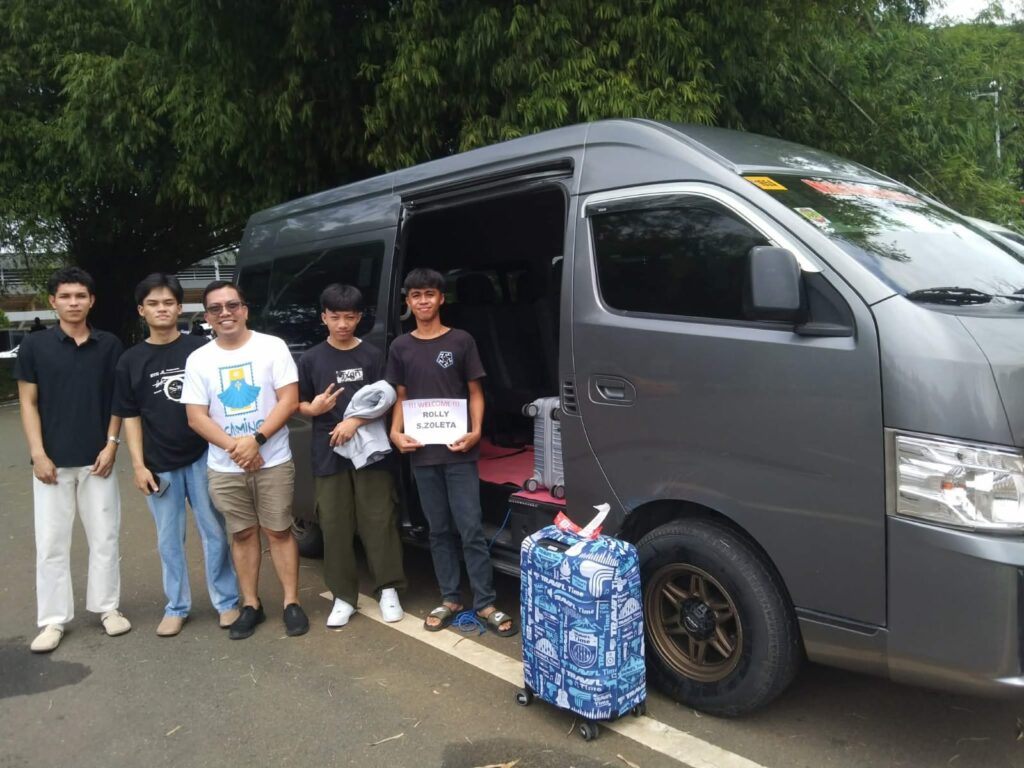
- Van transfer from Puerto Princesa — the most common route. 5 to 6 hours, 264 km via the national highway. Shared vans from ₱750 per person, private vans from ₱7,500. Book here.
- Direct flight to Lio Airport (ENI) — small aircraft from Manila via AirSWIFT. More expensive and limited schedule but saves 5 to 6 hours of travel. The airport is 10 minutes from El Nido town.
The Environmental Fee
Every visitor to El Nido must pay a one-time Environmental User Fee of ₱200 (confirmed 2026 rate). You pay this at the El Nido Tourism office, usually on your first island hopping tour or at the pier before boarding. Keep your receipt — you will need it to access lagoons and protected areas throughout your stay.
Where to Stay in El Nido
El Nido has accommodation options ranging from budget guesthouses at ₱800 per night to boutique resorts at ₱8,000+. The main areas:
- El Nido town center — the most convenient base. Walking distance to the pier, restaurants, tour operators, and the main beach. Can be noisy at night.
- Corong Corong — 10 minutes south of town by tricycle. Quieter, long sandy beach, more laid-back atmosphere. Slightly better value accommodation.
- Nacpan Beach — 20 to 25 minutes north of town. Remote, beautiful, almost no crowd. Best for travelers who want total relaxation rather than daily island tours.
- Lio Beach / Lio Estate — 15 minutes north, near the airport. Home to higher-end eco-resorts, a trendy bar strip, and calm water perfect for swimming.
Wi-Fi and Mobile Data
Wi-Fi in El Nido is slow compared to Manila or Cebu. Most hotels and restaurants have Wi-Fi but expect speeds of 1–5 Mbps during busy periods. Mobile data on Globe or Smart works reasonably well in El Nido town but gets weak on islands and remote beaches.
If you need reliable connectivity for work, buy a Globe SIM in Puerto Princesa and top up with a 5G data plan before heading north — coverage is better than Smart in most parts of northern Palawan.
Getting Around El Nido
Within El Nido town, everything is walkable in 10 to 15 minutes. For beaches outside town, tricycles are the standard transport. Agree on a price before you get in — typical fares are ₱50–80 for short trips and ₱100–200 for Nacpan or Lio Beach.
Motorbike rental is available for around ₱500 per day if you want to explore independently. Roads in El Nido are improving but some routes to remote beaches are still rough.
Best Time to Visit El Nido
The dry season from November to May is when El Nido is at its best — calm seas, clear visibility, and reliable island hopping weather. December to February is peak season with the highest prices and most tourists. March to May is busy but slightly cheaper than the Christmas period.
The rainy season from June to October brings rougher seas that cancel island hopping tours, particularly in July and August. Traveling in the shoulder months of November or early May gives you good weather with fewer crowds.
What to Pack for El Nido
- Reef-safe biodegradable sunscreen — chemical sunscreen is restricted at many protected lagoons
- Waterproof bag or dry bag for electronics on island hopping tours
- Water shoes — useful for entering some lagoons over sharp rocks
- Cash in Philippine pesos — enough for your entire stay
- Light clothing that dries quickly — you will be wet most of the time
- Motion sickness tablets if needed — the final stretch of the van journey and some sea crossings can be choppy
Already planning your trip? Book your Puerto Princesa to El Nido van transfer here — secure your departure time before it fills up, especially if you are traveling between November and May.